







Privacy by design
PHI/PII-aware pipelines built to support HIPAA compliance.
We help healthcare and medtech teams turn clinical and physiological data into secure, actionable insights combining signal processing, secure data pipelines, machine learning models, and AI agents to generate clinically relevant recommendations.
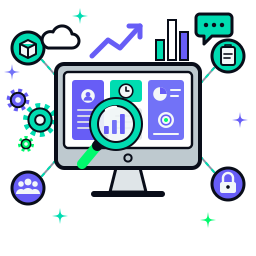
Build secure, reliable data pipelines for healthcare ingesting EHR, device, and wearable data.
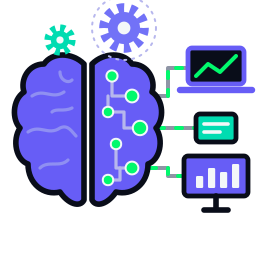
Design, train, and validate ML/DL models—then take them from prototype to FDA-ready deployment.
Turn raw physiological signals into usable features filtering noise, detecting beats, and removing motion artifacts.
AI agents that translate complex patient data into plain‑language explanations and next‑step recommendations.

10+ years working with physiological waveforms and clinical data, building and validating signal processing and ML algorithms from bench to bedside.

Proven algorithms published in peer reviewed journals and deployed in products that achieved regulatory clearance (FDA / CE Mark).

Deep experience with clinical data collection and validation across diverse populations, including subgroup performance analysis, V&V documentation, and FDA PCCP support.
Inclusion/exclusion criteria, endpoints, sampling plans, multi-site collection, ground truth and adjudication.
Performance across age/sex/race/ethnicity, comorbidities, device types, and care settings.
Locked model evaluation, traceability, risk controls, performance reports, and audit-ready documentation.
Planning—what can change, how it will be controlled, and how updates will be verified/validated.
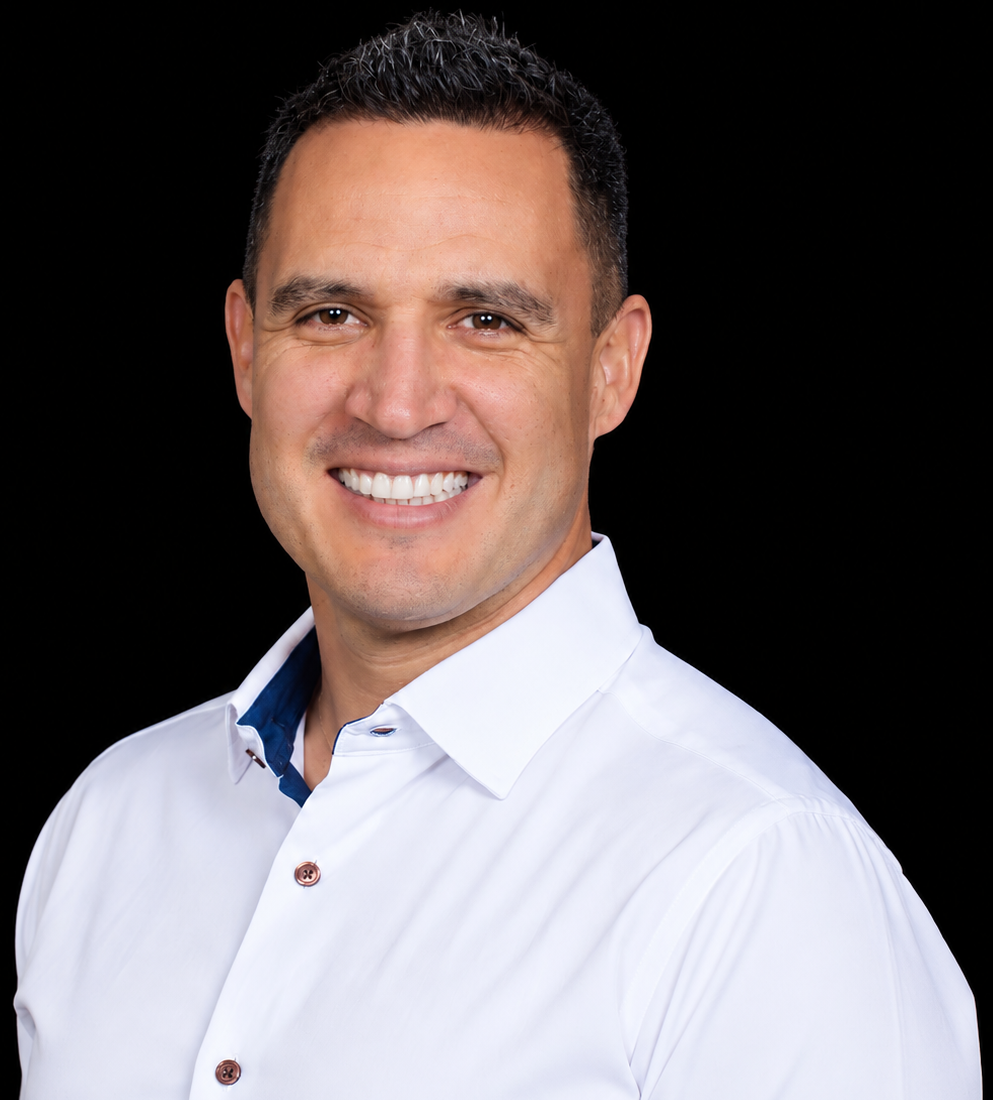
I have spent years driving innovation across healthcare organizations, bringing AI algorithms for cardiovascular and hemodynamic monitoring to market from concept and model design through verification/validation, regulatory clearance, commercialization, and clinical adoption.
Have a medtech AI challenge? Let’s talk
Detect valvular disorders from heart sound recordings of healthy subjects and pathological patients.
Detect valvular disorders from heart sound recordings of healthy subjects and pathological patients.
Detect valvular disorders from heart sound recordings of healthy subjects and pathological patients.
Detect valvular disorders from heart sound recordings of healthy subjects and pathological patients.
Detect valvular disorders from heart sound recordings of healthy subjects and pathological patients.
Detect valvular disorders from heart sound recordings of healthy subjects and pathological patients.
PHI/PII-aware pipelines built to support HIPAA compliance.
Audit logs, reproducible runs, and documentation that supports regulatory submissions.
Continuous model monitoring, bias checks, and full data lineage.
Tell us about your project. One of our engineers will reply within one business day.
Tell us what you’re building, what it runs on, or what’s blocking you. Share your requirements, repo, or documentation
We turn the problem into a clear plan: what we’ll build, what’s out of scope, and how we’ll measure success.
Our team builds and tests in short, time-boxed cycles, with a working update you can review at each step.
You receive validated results and working code, with the evidence your team, investors, or regulators need.
R&D / Discovery is designed for technical work where the solution, data, or implementation approach is not yet fully defined. Work is billed at an agreed hourly rate based on the time required to research, experiment, test, and validate the approach.
You pay for the actual engineering time completed at the agreed hourly rate.
Project-Based work is designed for initiatives where the problem, technical requirements, scope, and expected deliverables are clearly defined.
The project fee is agreed before implementation begins, based on the defined scope, requirements, deliverables, and timeline.